



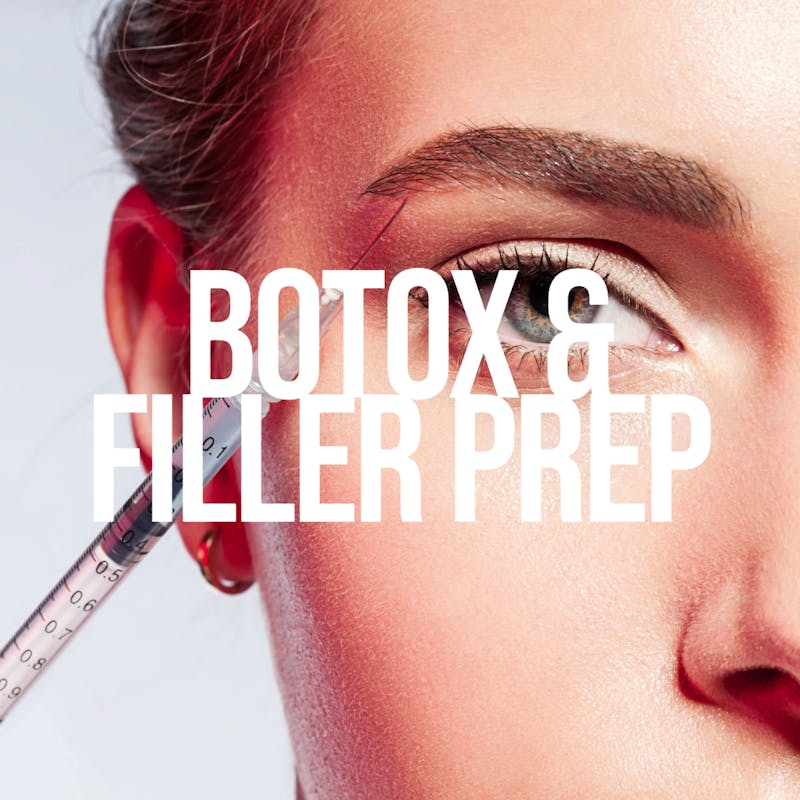
Before the Needle Pricks, You Need to Know These Tricks
To get the best outcome from Botox, dermal fillers, or Kybella, preparation and aftercare matter. Understanding what to expect—and what to avoid—can help minimize bruising, reduce swelling, and support a smoother recovery.
All injectable treatments at our practice are performed by licensed providers under the clinical oversight of a board-certified plastic surgeon.
What to Expect: Bruising After Injections
Bruising is the most common side effect after Botox and filler treatments.
Even with precise technique, injections involve a needle. The face contains many small blood vessels, and their location varies from person to person. If a vessel is contacted during treatment, a small bruise can develop.
This is normal and typically resolves within a few days.
How to Reduce Bruising Before & After Injections
Avoid Blood Thinners
Certain medications and supplements can increase the risk of bruising. If medically appropriate, consider avoiding the following 24–48 hours before and after treatment:
- NSAIDs (Ibuprofen, Advil, Aleve, Aspirin)
- Fish oil supplements
- Vitamin E
- Alcohol
Always follow your providers guidance before stopping any medication.
Arnica
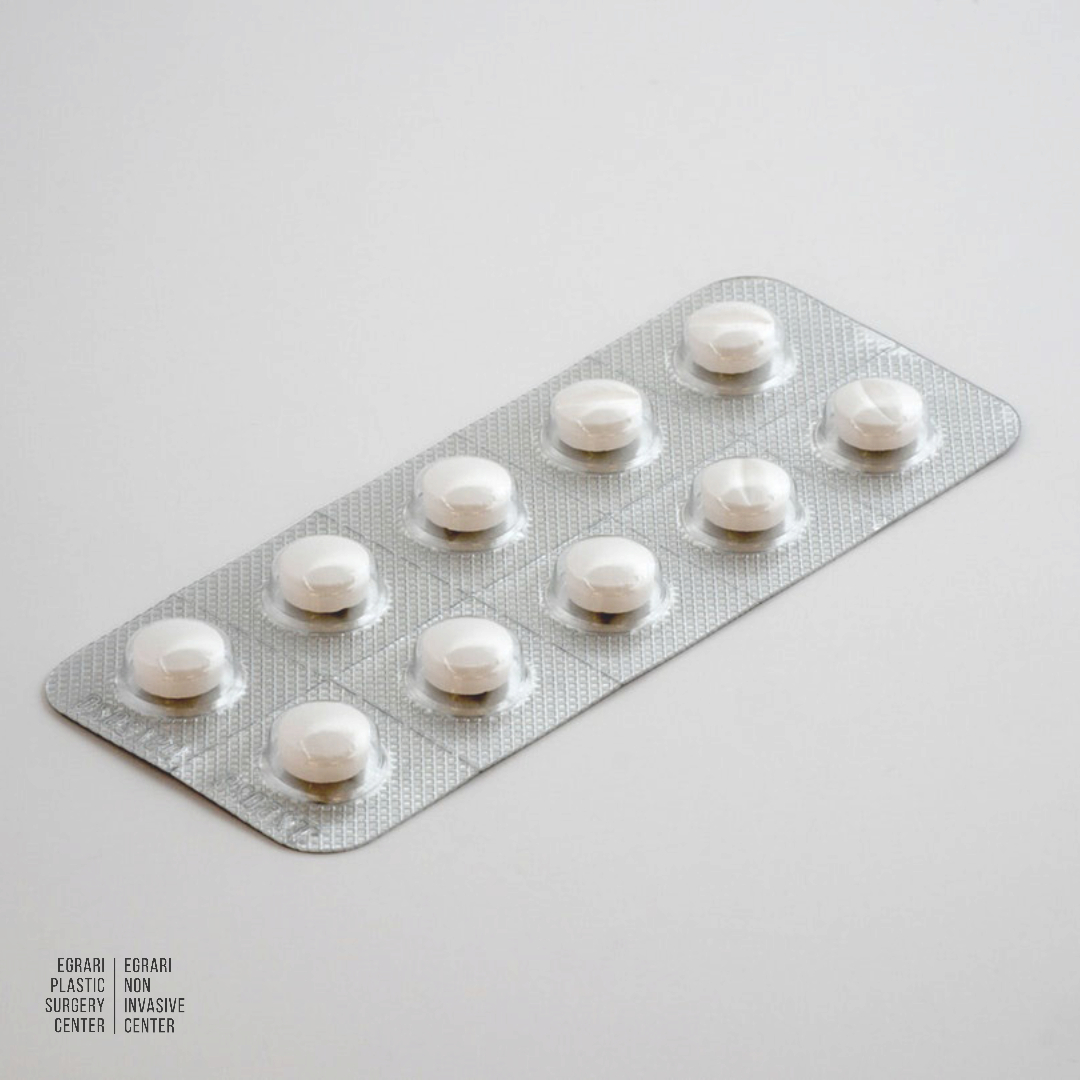
Arnica may help reduce bruising for some patients.
Typical use:
- Begin 1–2 days before treatment
- Continue the day of treatment and for 1–2 days after
Topical arnica can also be used on visible bruising. If needed, we provide arnica tablets in-office.
Icing
Applying ice before and within the first 24 hours after treatment can help minimize swelling.
Use gentle, intermittent icing—avoid prolonged or direct pressure on treated areas.
Makeup
Arriving with clean skin is ideal. Your provider will cleanse the treatment area prior to injections.
After treatment:
- Wait until the next day to apply makeup to reduce the risk of irritation or infection
- Continue gentle skincare only for the first 24 hours
Exercise & Activity After Botox and Filler

Strenuous activity should be avoided for 24 hours after treatment.
Increased heart rate and blood flow can:
- Worsen swelling
- Increase the likelihood of bruising
For Botox specifically, this precaution also helps limit unintended spread to adjacent muscles.
Hydration & Filler Results
Most dermal fillers used today are made with hyaluronic acid (HA), a substance naturally found in the body.
HA binds to water, which contributes to volume and smoothness in the treated area. Staying well-hydrated can help support optimal results, particularly for lip and facial filler treatments.
Final Notes
Small side effects like mild swelling, redness, or tenderness are expected and typically resolve quickly. Your provider will review personalized aftercare instructions based on your treatment plan.
If you have questions about Botox, filler, or other non-invasive treatments, our team is here to help you plan safely and appropriately.
You can explore our treatment options or contact our office at 425.827.7878 to schedule a consultation.