



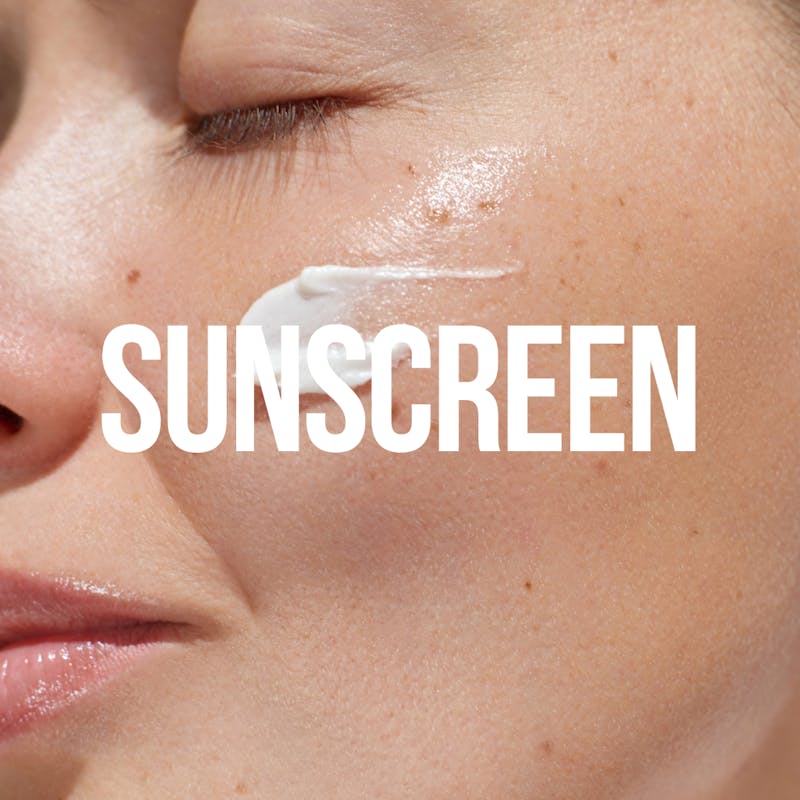
Sunscreen isn’t just a summer essential—it’s a year-round necessity. While many people only apply SPF on sunny days, UV rays are constantly present, even when it's cloudy or cold. Over time, unprotected exposure can contribute to premature aging, hyperpigmentation, and most importantly, an increased risk of skin cancer.
Why Sunscreen Matters Every Day
UV radiation is the primary cause of skin cancer and one of the biggest contributors to visible skin aging. Even short periods of daily exposure add up over time, breaking down collagen and elastin, which leads to fine lines, wrinkles, and sagging. Studies show that regular use of sunscreen significantly slows skin aging, making it one of the most effective anti-aging tools available.
Did You Know?
A sunburn isn’t just damaged skin—it’s actually apoptosis, also known as programmed cell death. When UV radiation causes too much DNA damage in your skin cells, your body forces those cells to self-destruct to prevent them from becoming cancerous. This mass cell death leads to inflammation, redness, and peeling. Sunscreen helps prevent this damage from happening in the first place!
Extra Protection
While sunscreen is crucial year-round, it's even more important in warmer months when UV levels are at their peak. Longer days, outdoor activities, and stronger sunlight mean higher exposure risks. Water, sand, and concrete reflect UV rays, intensifying their effects, while heat and humidity can make skin more vulnerable to damage.
Most would say the second most effective anti-aging option is a retinoid—and we agree. But it makes your skin more prone to sun damage, so without consistent SPF, you’re undoing your own progress.
Key Sunscreen Tips for Maximum Protection
- Use broad-spectrum SPF 30 or higherdaily: Broad-spectrum protection shields against both UVA (aging) and UVB (burning) rays. We typically recommend SPF 40+ (face and body) for daily use, and SPF 50+ for extended sun exposure or outdoor activities.
- Apply generously: Use about two finger lengths for the face and about one ounce (roughly a shot glass) for the body.
- Reapply every two hours: Sunscreen breaks down over time, especially with sweat, water, and sun exposure. Powdered or mist formulas make reapplication easier.
- Don’t forget overlooked areas: Ears, lips, neck, hands, and scalp need protection too.
- Wear protective clothing: Hats, sunglasses, and UPF-rated clothing offer extra defense.
What Happens When You Skip SPF?
- Premature aging: UV rays damage collagen and elastin, leading to fine lines, wrinkles, and loss of skin elasticity.
- DNA damage & skin cancer risk: UV radiation mutates skin cell DNA, leading to skin cancers like basal cell carcinoma, squamous cell carcinoma, and melanoma.
- Hyperpigmentation: Sun exposure triggers melanin production, causing dark spots and uneven skin tone.
- Weakened skin barrier: UV exposure can contribute to moisture loss, irritation, and increased sensitivity.
Choosing the Right Sunscreen
Not all sunscreens are created equal. Opt for a broad-spectrum formula suited to your skin type and lifestyle. Mineral-based options (zinc oxide or titanium dioxide) offer excellent protection without irritating sensitive skin, while tinted formulas provide a great no-makeup look. Powders and mists work well for reapplication over makeup or on-the-go.
Sun Protection Factor (SPF) numbers are not simple or intuitive. SPF 40 does not mean 40% coverage, 40 minutes of protection, or that you can stay in the sun 40 times longer without burning.
A better way to think about it: SPF reflects ideal lab testing conditions—so real protection comes down to how you use it, not just the number.
Did You Know?
Skin cancer most commonly develops in areas with the highest cumulative sun exposure. While the face is an obvious one, often-overlooked areas like the ears, scalp, and neck are especially common.
There are also differences between men and women. In men, skin cancers are most often found on the scalp, ears, and back, while in women, they are more commonly seen on the legs and chest.
A Few (But Not All) of Our Favorite Sunscreens
- Tinted – ALASTIN Skincare HydraTint Pro Mineral Broad Spectrum SPF 36
- Sensitive Skin – EltaMD UV Clear SPF 46
- Body/Mist – EltaMD UV AOX Mist SPF 40
Bottom Line
Sunscreen is the single most important step in preventing both visible aging and skin cancer. Whether it’s sunny, cloudy, or even indoors (UV rays penetrate windows), daily SPF application is essential. Your future self will thank you for the habit of protecting your skin today.
For optimal protection, the most important factors are consistency and proper application. Apply enough to fully cover the skin and reapply every two hours to maintain protection throughout the day.
Browse our curated Sun Care Collection.